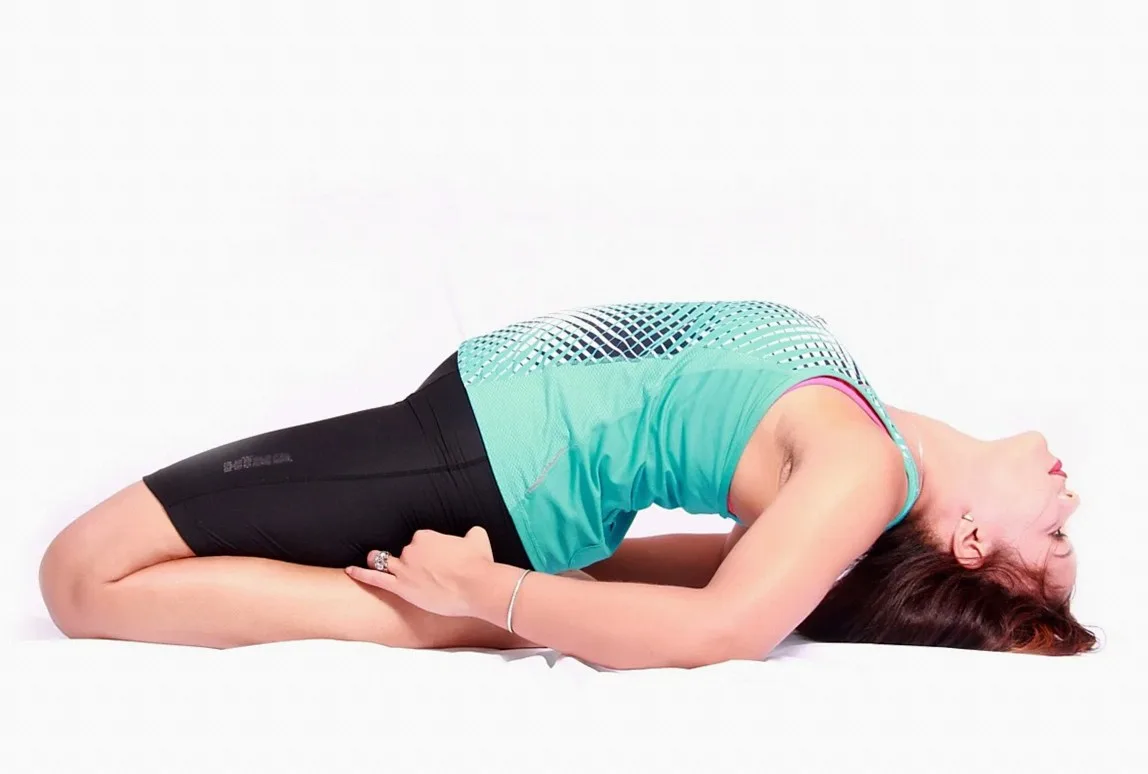
Many people notice that they breathe mostly into the upper chest, especially when they are rushed. That is not a character flaw. It is what tends to happen after years of crowded trains, open-plan offices and small flats, and this note explains how a breathwork session approaches it.
01 What shallow breathing means
Shallow breathing, or breathing mostly with the upper chest, means that the breath stays high and the belly barely moves. For many people it becomes the default without their noticing.
Some people link a tight chest or restless nights with the way they breathe. There can be many other causes, and a doctor is better placed than we are to look into them.
02 What a breathwork session involves
The breathwork sessions at Pure Cloud Valley focus on diaphragmatic breathing, which means letting the belly move rather than lifting the chest. It is done lying on a mat, and we guide the pace and depth of each breath.
The first ten minutes can feel awkward, and it is normal to resist the change at first. Afterwards some people say the exhale feels longer and the chest feels less tight, and others notice little. It is a practice, not a cure, and the effect varies and does not last indefinitely.
03 Who comes, and when to see a doctor
People come to breathwork for different reasons: restless sleep, a wish to learn to slow down, or difficulty settling into meditation. We do not claim breathwork treats any of these. If breathing problems are sudden, severe or new, please see a doctor first.
If you would like to know what a first session involves, the common questions before booking page covers what to wear, how payment works and how to arrange a visit.